Former video game executive brings tech know-how to mission-driven healthcare nonprofit
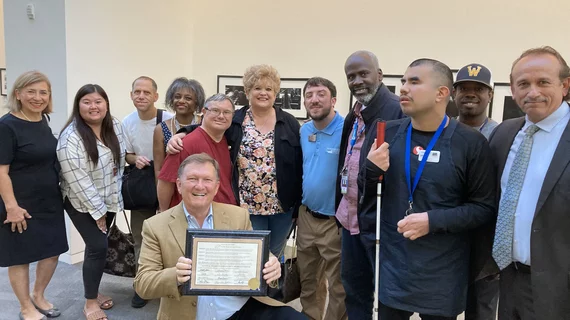
Before taking on the role of CEO of a nonprofit that specializes in caring for patients of all ages with developmental disabilities, Bryan Neider spent most of his professional life—“the better part of 30 years,” by his own estimate—in the video game and tech industry. His resume is especially heavy in contributions to Electronic Arts (EA), the big name behind blockbuster franchises like SimCity, Medal of Honor, Battlefield and the Madden NFL games.
It was there that Neider learned of AbilityPath, a 106-year-old organization caring for children and adults with autism, cerebral palsy and traumatic brain injuries. Its services include treatments and therapies but also daycare services and job-placement programs
“When EA opened its campus in Redwood City, California, in 1998, it ultimately employed about 1,200 people on the campus, and the company was hiring folks from AbilityPath to work at the corporate campus,” Neider recalls. The cross-pollination “made for an inclusive work setting,” he added.
At the time he was working as VP of mergers, acquisitions and business development.
“EA expected us as execs to be involved in our community on various nonprofit boards. And a friend had told me about AbilityPath,” he tells HealthExec. “I joined their board back in 1999 and was on it for two different terms.”
Embracing change
During this period Neider became friends with the CEO of AbilityPath, who asked him to consider taking over as leader of the organization once his 25-year run came to an end. Having spent around the same number of years at EA, working in various executive roles including CFO and COO of one of its businesses, Neider was ready for a change.
“I loved EA, loved every minute of it, but I wanted to do something different,” he says, acknowledging that the transition required some challenging adjustments. Not only would shifting over to CEO of AbilityPath put him in an entirely new industry—one focused on patient care—but he’d also be navigating the budget of a nonprofit. This represented something of a culture shock after working so long for a publicly traded, profit-hungry company.
Neider remembers being warned by AbilityPath’s former CEO, whom he considered a mentor, that hard work lay ahead—but so did some of the most rewarding experiences of his life. After consulting with his wife, he went ahead with the move.
“That was about 10 years ago, and here I am,” he remarks with a smile. “It has been quite a humbling experience. Now I work with families every day and my job is to help them live their best lives. Meanwhile I look for ways to improve the community care work AbilityPath manages.”
His background in tech has made the changeover easier, and it may have been for the best that he started his new career track just before the generative AI boom started in late 2022.
The nonprofit has been “very aggressive in finding the right kind of opportunities to ethically use tools and technology to improve the services we offer,” he says, adding this means “finding ways to support our staff but, more importantly, to support the families and individuals we serve.”
Supporting patient care
AbilityPath’s work is multifaceted and involves moving parts similar to those seen by leadership at any hospital. A lot of the work is supported by Medicaid, including the direct care provided by its on-staff therapists and other clinicians. Additionally, the operation works with community care groups and has a need to share patient records.
While the nonprofit was in “a pretty good place” in terms of tech adoption when Neider got there, much work needed doing before emerging digital tools could lighten the load. He watched closely as software started automating certain administrative tasks and easing the clerical burden faced by everyone at the organization. He noted that therapists had an especially significant opportunity and challenge before them, as these healthcare professionals must develop care plans and deliver on them for patients with a wide array of personalized needs.
Installing an EHR that supported the patient care mission was a big point of focus for Neider, who says the organization finally found one that “therapists actually love to use, if you can believe it,” something that came about after trying tech offered by some of the biggest vendors.
AbilityPath ended up adopting Ocean Friends, a record system that catered to the type of therapy work the organization provides.
Total tech overhaul
Upgrades weren’t limited to the EHR. With the approval of the board, Neider pushed for new and improved IT systems across the organization. He recognized the need to improve efficiency while also making sure AbilityPath’s network, which houses sensitive patient records, could defend itself against a cyberattack.
“Interestingly enough, not long after upgrading and hardening our network, we had a very aggressive phishing attack,” the CEO recalls. “I was able to work with EA to bring in some white-hat experts, who flew in and spent a week here going through our entire network. This was a serious incident—we had the FBI involved.”
The nonprofit could have lost a million dollars, Neider believes. “For an organization like ours, that’s a fortune,” he says. “And we didn’t lose a penny. All the work the cybersecurity team did was volunteer help.”
“Thank God our network was in place just literally like a month and a half before this happened, but it scared the heck out of us,” he’s quick to add. “And there were some local nonprofits here that weren’t quite as fortunate. So there’s a kind of serendipitous timing, but it really did obviously help us enormously.”
To win buy-in at all levels of the organization, Neider pledged that not a single job would be lost to automation technology.
To date, that promise has been kept.
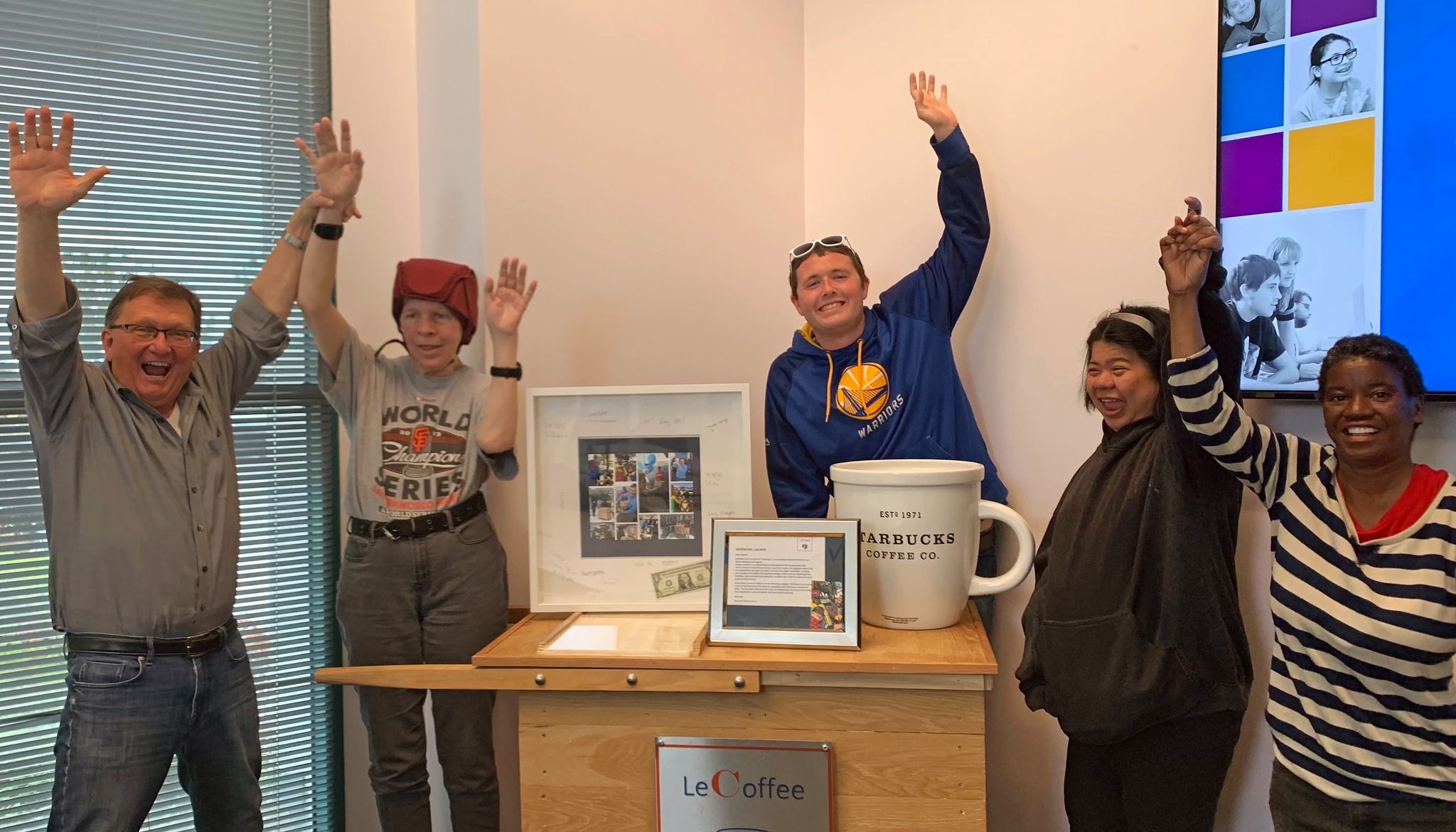
In fact, AbilityPath has been hiring new workers and currently has 300 people on staff, up from 180 when he arrived—not counting the legion of volunteers.
“As much as I personally love technology, whatever we’re doing around technology has got to benefit the people we serve as well as our team,” Neider says. “This isn’t a case of technology for technology’s sake. We’re being smart with adoption and ensuring whatever we implement fits with our core mission of doing right by our staff, our patients and their families.”
Expanding the mission
Beyond tech, AbilityPath has been looking for new ways to interact with the community and improve the lives of those with special needs, even if they’re not being treated directly by the organization.
Three years ago, the nonprofit began to work on a new program with Stanford University School of Medicine, where a knowledge exchange allowed physicians at the academic institution to gain more experience working with patients who have developmental disabilities.
“The head of residency reached out trying to find a way to better educate new physicians on interacting with individuals with developmental differences, whether it’s autism, Down syndrome, or anything else,” Neider says. “At the time, there was only one other school in the nation with anything like that. We worked together to build something with Stanford Medical School, and it led to us jointly writing an article for the New England Journal of Medicine about the value of this cooperation.”
The skills those doctors are refining now benefit patients all over the country.
As for future goals, Neider says AbilityPath is laser-focused on increasing the number of people it can serve, as the waitlists in California for people in need of specialty services for the developmentally disabled are “way too long.”
“Our goal for 2030—and this is aspirational—is to double the number of people we can care for,” the CEO says. “People need to get access to services. But we also don’t want to see a drop in quality, and so that has to be a part of our consideration.”
“From a patient care standpoint, our ultimate goal is to consistently create this feeling of belonging for everybody who is in our program,” Neider concludes. “From that very first contact with us, we want patients and parents to know they’re welcome. We see them. We want them to know there are people here who care about them, and that marks the beginning of a relationship that we will honor as long as they are with us.”
For now, Neider says, building on that mission means continuing to build the skill sets of AbilityPath’s care teams. For the foreseeable future, he adds, this will mean equipping these healthcare professionals with the right technologies at the right time for the right reasons.

Chad is an award-winning writer and editor with over 15 years of experience working in media. He has a decade-long professional background in healthcare, working as a writer and in public relations.