
Utah becomes first state to use AI for initial prescriptions without human oversight
Utah is continuing to pilot the use of autonomous artificial intelligence for prescription drugs, a program it first revealed in January.
At the time, the experimental use of AI was limited to prescription refills, bypassing the need for human oversight. The technology backing the pilot is Doctronic, a company that bills itself as using algorithm-driven models, tweaked and monitored by licensed physicians to create a personalized “AI doctor.”
In this case, Utah was using the technology as if it were a doctor reviewing prescriptions, with the signature coming from the AI instead of the patient’s actual physician.
Now, Utah’s Office of Artificial Intelligence Policy—a regulatory body established to automate bureaucracy—has unveiled a new pilot, this time with the developer of an AI-assisted dermatology app, said to be able to diagnose a variety of skin conditions and recommend treatments.
In a statement announcing the news on Friday, Nolla Health, the app’s creator, said it has now been empowered by the state to issue initial prescriptions, no longer limiting the AI pilots to refills.
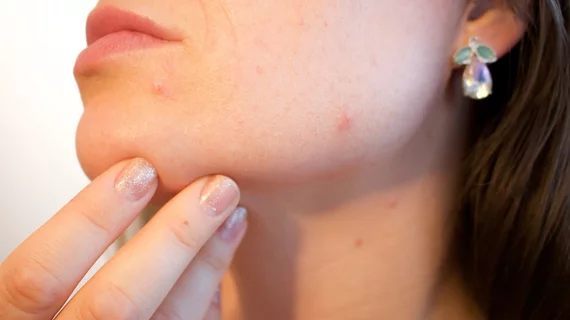
For now, the initiative is limited to the treatment of acne, with the app diagnosing the specific needs of patients without the need for them to set foot in a dermatologist’s office. The system, made possible through the Nolla Derm app, is available immediately to all adults 18 years or older in the state, the company confirmed.
“AI will matter most in healthcare when it helps people get care they otherwise would not receive," Luis Wenus, co-founder and CEO of Nolla Health, said in a statement. "Growing up with a doctor in the family, I saw how powerful it was to have trusted medical help within reach, and millions of people do not have that today.”
“With Nolla Derm, we are showing how AI can responsibly expand that access and help someone get personalized treatment in minutes instead of long waits or going without care altogether.”
The company said its product is designed to appeal to “healthcare deserts,” areas of America where specialty care access may be limited. According to Nolla Health, only 10 percent of the 100,000 people in Utah who have acne ever see a dermatologist, with the average wait time being 61 days—that’s twice the median for the rest of the country, making Utah an ideal target for its pilot.
Strict guardrails said to be in place
The company added that approval from the Utah Office of Artificial Intelligence comes “following months of collaboration” with regulators. It said it will be working with the state medical board on the launch, taking feedback as the pilot program moves forward.
As part of an agreement with the state, Utah residents can get access to Nolla Derm for $4.99 a month.
Nolla Health noted that patients will be directed to a licensed physician in the event its AI cannot properly diagnose a skin condition or recommend treatment. But for now, use of the technology for prescriptions will be limited to acne.
“The pilot is designed to complement, not replace, physicians,” the company stated. “By handling routine, low-acuity cases, Nolla Derm frees dermatologists to focus on complex, high-risk patients—including those at risk for skin —and closes the access gap without burning out the doctors already stretched thin.”
Prescriptions will only be issued within “tightly defined, physician-approved treatment protocols,” Nolla Health added. This pilot using an AI model for initial prescriptions represents the first such initiative in the nation.
Nolla Derm is currently used by 175,000 patients in 44 states.

Chad is an award-winning writer and editor with over 15 years of experience working in media. He has a decade-long professional background in healthcare, working as a writer and in public relations.