FTC settles lawsuit against Express Scripts in deal that includes TrumpRx support
A week after it was revealed in a court filing that the Federal Trade Commission (FTC) and Cigna’s Express Scripts were nearing a settlement that would end the agency’s lawsuit against the pharmacy benefit manager (PBM), the terms have been officially announced.
The FTC's complaint over the alleged role the PBM played in inflating and controlling the price of insulin has now been resolved, pending changes to Express Scripts’ business practices. However, the lawsuits against two other major players in the same space—CVS’ Caremark and UnitedHealth’s Optum Rx—are still pending.
According to an announcement, the “landmark” agreement should result in insulin prices being reduced significantly. Per the terms of the settlement, the FTC said Express Scripts has agreed to end its wholesale practice of choosing expensive versions of the drug when they can buy the same insulin wholesale at a lower price.
In other words, Express Scripts has said it will stop favoring pricier versions, that it then passes on to pharmacies and health plans. Further, it has agreed to charge patients and plans a cost for insulin that reflects all rebates and discounts, meaning those will no longer be collected without being passed on down the supply chain.
The issue of rebates, offered to drug buyers by pharmaceutical companies, was central to the FTC’s complaint. The agency alleged they were de facto price controls, as they would allow purchasing organizations to secure drugs at a reduced rate, while charging plans, pharmacies and patients for the whole cost.
Now, according to the FTC, costs will not be shifted onto patients and the out-of-pocket cost for a vial of insulin—estimated in the lawsuit to be upwards of $300—will be reduced substantially. Further, any other drugs also priced using these rebate schemes will also now be cheaper, the agency added, as the change in practice is not limited to insulin.
The FTC said that it anticipates that health plans and consumers will save “$7 billion over ten years.” That’s revenue that could be returned to community pharmacies, something the agency said that President Donald Trump’s administration has made a key priority.
Art of the deal
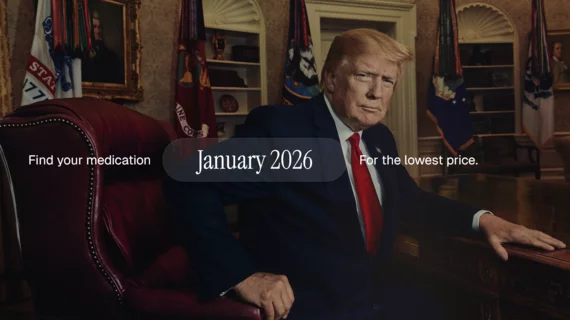
TrumpRx.gov—the yet-to-launch direct-to-consumer marketplace for drugs announced in fall 2025—will also benefit from the settlement, as the FTC stated Express Scripts has agreed to provide access to its standard offering of pharmaceuticals through the portal whenever possible.
“The FTC’s settlement with Express Scripts will end its business practices that have kept drug prices high, ultimately providing meaningful financial relief to American patients who depend on Express Scripts to access life-sustaining prescription drugs as well as community pharmacies who will see new revenues each year and relief from being squeezed,” FTC Chairman Andrew N. Ferguson said. “It also delivers significant wins for the broader Trump-Vance healthcare agenda, including reshoring major portions of Express Scripts’ business, ensuring regulatory compliance with price transparency laws, requiring disclosures of kickbacks to brokers, and paving the way for Americans to participate fully in TrumpRx.”
Despite an initial announcement declaring that it would be live in January 2026, the TrumpRx.gov website is currently down, with a plain text notice declaring that it’s “coming soon.”
“Thank you for your attention to this matter!” the website reads.
Much is still unknown about how the initiative will work, but Trump has promised that it will reduce the price of dozens of common drugs, including popular GLP-1 weight loss products.

Chad is an award-winning writer and editor with over 15 years of experience working in media. He has a decade-long professional background in healthcare, working as a writer and in public relations.