Toddler dies after allegedly being given 10 times too much potassium due to decimal error
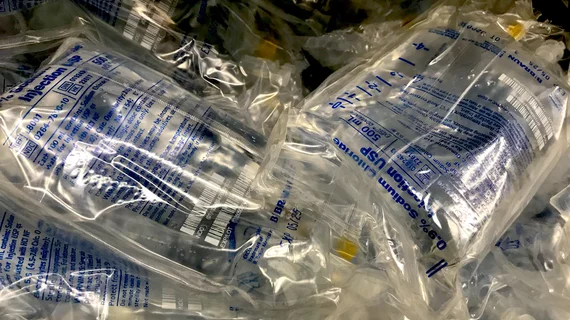
A 2-year-old boy in Florida died after a doctor at University of Florida Health’s Shands Teaching Hospital allegedly screwed up his prescription, eliminating a decimal point in the dosage. The mother of the deceased has filed a lawsuit.
According to the complaint, De’Markus Page died of an "overdose of potassium” on March 3, 2024, after two weeks of “horrific” medical issues including a massive brain injury stemming from excessive amounts of the nutritional supplement in his blood.
His mother, Dominique Page, filed a lawsuit last week, according to a report from the New York Post. The lawsuit names staff at the hospital as defendants, alleging they failed to properly treat the boy after the error—delaying his intubation even after he went into cardiac arrest.
The lawsuit also states that the clinicians botched “two to three” attempts to intubate the young patient. The boy eventually died on a ventilator used for life support, the lawsuit contends.
The story begins two days before his death at AdventHealth Ocala Hospital, where De’Markus was treated for a virus. He was suspected of “having some level of autism” that caused him to have trouble eating. Tests revealed his potassium levels were dangerously low, the lawsuit alleges.
After being given fluids and electrolytes, he was sent to Shands for treatment. The toddler allegedly weighed only 21 pounds at the time, far too low for his gender and age. It was then that a doctor is said to have prescribed more fluids for the boy, as part of an electrolyte treatment.
The next day, physician Jiabi Chen, MD, allegedly ordered more electrolytes for De’Markus. But a decimal point in the order was deleted, resulting in the child receiving 10 times the medically recommended amount of potassium.
Notably, potassium is harder to clear from the blood than sodium, which can be discharged with more fluids and water intake.
Central to the negligence claim in the lawsuit is the alleged failure of all clinical staff to spot the “red flag warning in the hospital’s pharmacy system that alerted them to the excessive dosage,” including nurses and the pharmacist at Shands.
Dominique is seeking at least $50,000 for her son’s wrongful death and pain and suffering, though her potential award could be higher.
The New York Post said Chen did not immediately return a request for comment, and University of Florida Health opted not to provide any statement related specifically to the lawsuit.
For more, read their full report at the link below.

Chad is an award-winning writer and editor with over 15 years of experience working in media. He has a decade-long professional background in healthcare, working as a writer and in public relations.