
Mayo Clinic sued after man who received high-risk donor heart dies
Update 12/23/25: Mayo Clinic said it has reached a settlement agreement with Noah Leopold's family. The specific terms have not been disclosed.
Editor's Note: An earlier version of this article stated the patient died of a meth overdose. That is incorrect, it was the organ donor. HealthExec regrets the error.
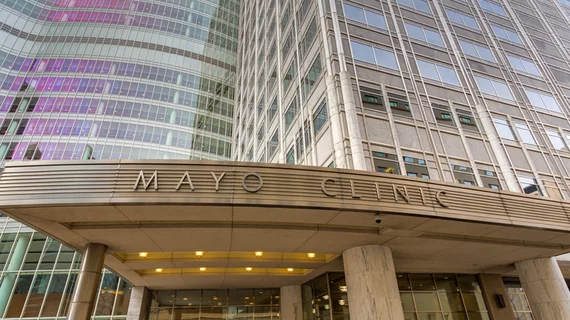
Nonprofit academic health system Mayo Clinic is facing a federal lawsuit filed by the family of a 40-year-old man who died of a brain bleed after undergoing two heart transplants. The plaintiffs accuse the Minnesota-based medical center of misleading the patient about the risks tied to the first donated organ, which deteriorated.
In an exclusive report from local NBC-affiliated KARE 11, a spokesperson for the Mayo Clinic denied the allegations. In the civil lawsuit, the organization stands accused of medical negligence, negligent nondisclosure and medical battery.
The story centers around Noah Leopold, who at age 7 was diagnosed with cancer and suffered from health problems related to the chemotherapy that saved his life. In need of a new heart, he was prepped to receive a transplant in August 2023 at Mayo Clinic’s St. Mary’s Hospital.
However, when his new heart arrived, doctors noticed it was too large. Despite efforts to make the new organ fit, it began to deteriorate—leaving Leopold without a heart, forced to rely on an artificial one to survive.
Days later, a second heart arrived. Shortly after a successful transplant, Leopold suffered a brain bleed and died.
An autopsy revealed that the donor's death was caused by an overdose of methamphetamine.
As KARE 11 reports, before receiving his first heart, Leopold expressed concerns over receiving the heart of a drug addict, knowing they often carry higher risks.
The lawsuit, filed by his family, makes that a central issue. They allege Mayo Clinic failed to inform anyone that the second heart carried with it the risk of a fatal drug overdose.
In response, the world-renowned healthcare system said it did receive consent from Leopold to perform the transplant, having informed him of a risk of hepatitis and possibly HIV associated with the second donor heart.
National transplant guidelines designed to protect the identity of donors often do not list the “mechanism of injury or death,” the Mayo Clinic told KARE 11. As such, they were operating off the information they had available at the time.
However, Leopold’s family disagrees. They claim that, under Minnesota law, patients have a right to be informed of a donor’s cause of death.
For more of the story, read the full exclusive from KARE 11 at the link below.

Chad is an award-winning writer and editor with over 15 years of experience working in media. He has a decade-long professional background in healthcare, working as a writer and in public relations.