
Massive strike of 31K workers at Kaiser Permanente enters third week with no end in sight
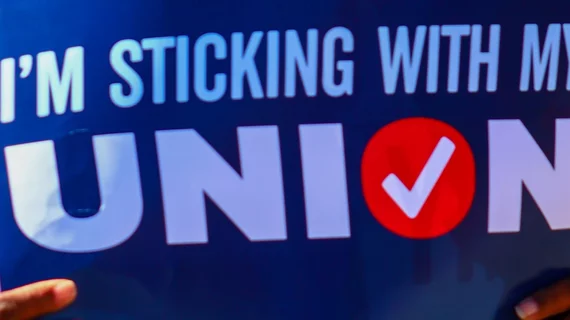
First announced in January, a massive strike of Kaiser Permanente workers on the West Coast has entered its third week, and there’s no sign of it slowing down—in fact, it’s expanding.
Initially scheduled to involve 31,000 workers from dozens of hospitals and clinics in California and Hawaii, the strike of nurses, pharmacists, nurse practitioners, midwives, physician assistants, rehabilitation therapists, speech-language pathologists and dieticians officially began on Jan. 26 after contract negotiations collapsed.
The strike was announced on Jan. 16 and carried a 10-day notice.
This week additional pharmacy and lab workers joined the picket lines, with Kaiser announcing Monday that certain locations will be forced to close. Patient care disruptions, including the temporary cancellation of elective surgeries, have been reported across the health system as leadership prioritizes emergency care services.
The United Nurses Associations of California/Union of Health Care Professionals (UNAC/UHCP) is behind the labor action, which has been going on since September 2025 and involved another strike in October, which expanded to Oregon. In that incident, 46,000 workers were reported to have walked off the job in protest.
That strike only lasted five days.
Demands of the union include higher wages and more staffing, with members citing burnout and fears that the adoption of artificial intelligence will replace nurses and other clinicians.
In a statement from January, the health system said it made a “historic” offer of a 21.5% wage increase, and is open to regional and local negotiations with union representatives to “enable unions to reach tentative agreements and ratify contracts for every bargaining unit.”
Kaiser also accused UNAC/UHCP of refusing to “resolve the matter as requested, which has compromised the national bargaining process,” citing the union’s unclear demands.
Negotiations in December to resolve the disagreement stalled out for over a month, spurring this latest strike.
In a FAQ posted online, UNAC/UHCP accused Kaiser of being the source of the ending the negotiations, saying the health system has violated state and federal laws by refusing “all of our offers to bargain.”
“Therefore, we are left with no other choice than to strike,” the union wrote, adding that their list of demands is not limited to a wage increase.
“Kaiser has proposed pension takeaways from newest union members, two-tier wages and ignored serious patient care and staffing problems we have raised. We must fight back against corporate greed and union-busting in the strongest way—by striking for our patients, our licenses, and a fair contract,” the group added.
Workers claim the nonprofit health system “has amassed $67 billion in reserves” but isn’t investing in the necessary staff to meet patient care demands.
“We need more resources at the bedside, and we can force them to listen by standing together until we have a contract,” the union wrote.
Kaiser denies it is unwilling to budge on staffing concerns and clarified that it wants to look at regional contracts to meet the unique demands of local economies on pay and staffing. However, UNAC/UHCP is looking to keep negotiations national, something the health system said it's not required to do by law.
A vacant negotiating table
As of press time, there are no new negotiations scheduled. The union has not given an end date for the strike, and so far neither side has budged from its red lines. UNAC/UHCP said it will continue to keep workers home until “we reach a fair agreement.”
“Ultimately, the strike will end when Kaiser sees that they won’t break our solidarity. They know that they can’t provide services without 31,000 professionals there to take care of patients. That’s why everyone must participate and stand together until we win,” the group said.
This is a developing story.

Chad is an award-winning writer and editor with over 15 years of experience working in media. He has a decade-long professional background in healthcare, working as a writer and in public relations.