
HHS-OIG audit finds that major Medicare Advantage insurers engaged in $180M of alleged upcoding
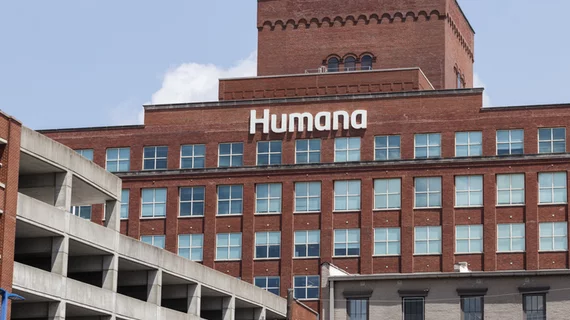
In a recent audit of Medicare Advantage insurers, the U.S. Department of Health and Human Services’ Office of Inspector General (HHS-OIG) found that two of the biggest players are responsible for overcharging the federal government to the tune of $180 million in 2020 and 2021.
In separate reports, the HHS-OIG has accused specific Humana and UnitedHealthcare plans of a recurring issue of upcoding, in this case to boost risk-adjusted payments for patients covered by Medicare Part C. This was done, according to the reports, by the insurers listing patients as having chronic illnesses they did not have or embellishing the severity.
According to the determination from the HHS-OIG, Humana took in an extra $131 million in revenue as a result, with UnitedHealthcare of Wisconsin pocketing $47 million illegitimately.
As for a remedy, the agency is asking both insurers to pay back the Centers for Medicare & Medicaid Services (CMS) for the alleged overpayment, though the insurers are not obligated to do so. Further, both have denied they engaged in upcoding, contending that they followed all Medicare Advantage regulations in making their determinations of a member’s risk.
While CMS’s risk-adjusted metric is designed to compensate privatized Medicare plans for taking on patients who could potentially carry heavy medical costs, the insurers say the methodology used to make such a determination, which is outlined by CMS, was inherently flawed, leading to possible errors.
“Humana takes its compliance responsibilities seriously and remains committed to working with CMS and policymakers to find ways to preserve affordable coverage and effective healthcare services for older Americans,” the healthcare payer said in a statement sent to multiple media outlets. “We strongly disagreed with the HHS-OIG’s methodology and findings, and we have repeatedly shared our concerns about the methodology with CMS. As the HHS-OIG acknowledges, its findings and recommendations do not represent final determinations.”
Health statuses for Medicare-eligible seniors are measured by diagnosis codes, linked to patient care delivered and ongoing issues, such as diabetes and heart failure. But, coding these conditions based on severity can be somewhat arbitrary, which Humana and UnitedHealthcare contend has led to the discrepancy in what was allegedly owed vs what was paid.
“While we welcome government reviews of our Medicare Advantage program, we disagree with the current approach to validating data,” UnitedHealthcare said in a statement. “The flawed methodology in this report from the HHS-OIG is further evidence that modernization is needed, and we remain committed to working with both CMS and the HHS-OIG to improve the program and their audit processes.”
In total, UnitedHealthcare and Humana cover 15 million seniors with their Medicare plans. For its analysis, HHS-OIG looked at 11 codes linked to high-risk medical conditions in claims from 2020 and 2021. In looking at 220 patients from Humana, the HHS watchdog determined 178 codes were not supported by medical documentation.
Limited sample analysis
For UnitedHealthcare, 250 patients were sampled, with 183 determined to have been linked to high-risk codes that were not supported by the evidence provided to CMS.
In all cases, the exact nature of the alleged improper coding varied. HHS-OIG’s overpayment calculation is based on an estimate of how much each inflated diagnosis would carry in adjusted reimbursement over time.
The findings are not definitive. Neither insurer has been found to have engaged in wrongdoing, despite the accusations made in the reports.

Chad is an award-winning writer and editor with over 15 years of experience working in media. He has a decade-long professional background in healthcare, working as a writer and in public relations.