
FDA merges all adverse event reporting systems into new AEMS platform
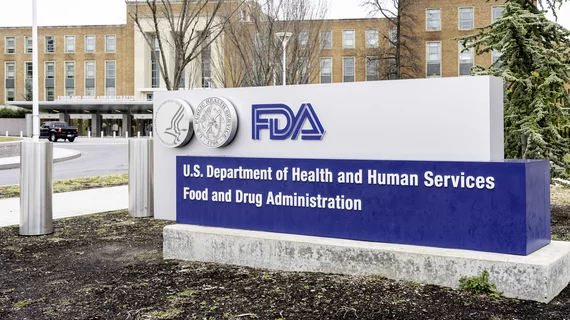
The U.S. Food and Drug Administration (FDA) announced on Wednesday that it’s putting an end to the old methods of adverse event reporting, combining six legacy systems into one unified platform.
Simply called the FDA Adverse Event Monitoring System (AEMS), it immediately replaces all filings related to potentially dangerous “drugs, biologics, vaccines, cosmetics and animal food,” bringing all of that and more under one bailiwick.
For now, the old guard of reporting forms for human food, tobacco and medical devices remain in place—but in May, those are scheduled to go away too. The agency said it’s looking to bring all safety and compliance reporting data to a single hub to improve efficiency and transparency.
Whether a report is made by a patient, clinician, manufacturer or a private citizen, the FDA said, the goal of AEMS is to improve its “postmarket surveillance capability,” which FDA believes it can better do by spotting patterns or clusters of reports that “might indicate previously unknown risks.”
The agency said the previous disparate nature of reporting databases undermined its own goal of protecting the public and holding companies accountable.
“The FDA’s previous adverse event reporting systems were outdated and fragmented and made important data difficult to access. These clunky systems also wasted millions of taxpayer dollars and created blind spots in our postmarket surveillance of products ranging from drugs and vaccines to cosmetics,” FDA Commissioner Marty Makary, MD, said in a statement. “We’re fixing the problem through a major modernization initiative.
“Starting today, the FDA will have a single, intuitive adverse event platform that will better serve agency scientists, researchers, and the public,” he added.
The agency confirmed that all consumer products it regulates will be covered under the umbrella of AEMS, eliminating the following by the end of May, when the full rollout will be complete:
- FDA Adverse Event Reporting System (FAERS): Used for reports on drugs, biologics, cosmetic products and color additives.
- Vaccine Adverse Event Reporting System (VAERS): Co-managed with the Centers for Disease Control and Prevention (CMS), the FDA confirmed it’s only shutting down its half. The CDC VAERS data will continue to be made available in AEMS.
- Adverse Event Reporting System (AERS): Used for reports on animal foods and medications.
- Manufacturer and User Facility Device Experience (MAUDE): For reporting incidents involving medical devices.
- Human Foods Complaint System (HFCS): Used for concerns related to human food and dietary supplements.
- Center for Tobacco Products Adverse Event Reporting System (CTPAE): The current system where adverse events related to tobacco and nicotine products are reported.
Single system brings cost savings
Across all its databases, the FDA said it typically processes roughly 6 million adverse event reports a year. This not only made searches difficult but also carried a price tag of $37 million a year.
Over the next five years, the agency said AEMS will save taxpayers $120 million. Some of this savings comes from the ease of answering Freedom of Information Act (FOIA) requests, the FDA clarified.
It added that, through AEMS, it will also be able to respond to FOIA requests with real-time data, as opposed to quarterly reports.
The transition to the new system is now underway.

Chad is an award-winning writer and editor with over 15 years of experience working in media. He has a decade-long professional background in healthcare, working as a writer and in public relations.