
FTC settles with Caremark as lawsuit against ‘big three’ PBMs winds down
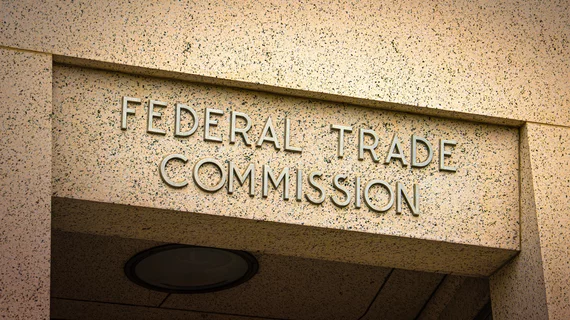
The Federal Trade Commission (FTC) continues its effort to reach settlements with the “Big Three” pharmacy benefit manager (PBM) groups over allegations of insulin price fixing, announcing Tuesday that it has finalized an agreement with CVS Health’s Caremark that will force the company to make changes to its business operations.
Central to the conversation regarding insulin price hikes have been manufacturer rebates, which the FTC has alleged are not being passed down to health plans and pharmacies consistently. In fact, the agency states in its legal complaint that the price of the vital hormone continues to rise for health plans and patients alike.
Further, the PBMs are accused of passing down the rebates only within their own vertically integrated businesses, in this case CVS retail pharmacies, leaving competitors with an inflated price tag that offsets the savings in favor of more profits.
According to an announcement from the FTC, that is all about to change. In order to comply with the settlement terms, Caremark will begin passing along all savings resulting from rebates and group purchasing to its clients.
Further, the company will also be required to prioritize the lowest-priced insulin, where previously it opted into offering more expensive insulin, as those options tended to carry rebates.
The FTC is also looking to rein in the power of the CVS vertical. Per the settlement, CVS will be prohibited from blocking or unfairly restricting competing pharmacy hub providers from doing business with independent pharmacies.
An independent monitor has also been established to make sure CVS follows the terms of the agreement and doesn’t go back to its old ways of squeezing small local pharmacies.
Another win for TrumpRx
Similar to a previous agreement FTC made with Express Scripts, another of the three largest PBMs in the country, Caremark will now have to do business with TrumpRx.gov, the web portal where the federal government offers direct-to-consumer prescriptions at a discounted price.
While most of the partners of that program are drug companies, Express Scripts and CVS will be required to honor the prices. The pharmaceutical middlemen will be required to factor in drug prices on the site into their health plan deals and honor any cash purchases health plan members make on the site.
Ostensibly, that means the health plans that utilize Caremark will count purchases made through TrumpRx toward deductibles on the health plans, reducing the out-of-pocket costs patients pay for drugs over time.
It isn’t entirely clear how that will work or be enforced, as the group purchasing organizations (GPOs) that ultimately make drugs available to plans and pharmacies are not forbidden from buying from manufacturers directly, which will almost certainly bring a cheaper price as it avoids the markup of TrumpRx.
“The settlement with Caremark brings billions in real savings to consumers feeling the pinch from excessive prescription drug prices,” Chairman Andrew N. Ferguson said. “And the settlement bars Caremark from interfering with hub pharmacies, which can help identify the lowest out-of-pocket option for patients and improve patient access to prescriptions.”
“Today’s action builds on previous wins for President Trump’s healthcare agenda, including innovations like TrumpRx to make prescription drug prices more transparent and affordable for everyone.”
The FTC claims the settlement will save patients and health plans $8.5 billion over the next decade—and that’s before rebates are passed down. The agency says that additional benefits could bring another $4.5 billion in discounts over time.
Improved price transparency
In a statement of its own, CVS Health said the changes to its business practices represent “industry-leading approaches to transparency and affordability,” adding that the settlement “eliminates the need for ongoing litigation and investigations.”
“CVS Caremark has led the industry in evolving the pharmacy benefit management model and has delivered value to our customers and clients,” Ed DeVaney, Executive Vice President CVS Health and President, CVS Caremark, stated. “Today’s agreement advances and reinforces the changes we have already put in place and ensures affordability for families and patients across the country. CVS Caremark remains committed to lowering costs and bringing greater transparency to prescription drug pricing.”
The 2024 FTC lawsuit against Express Scripts and Caremark has been resolved, leaving only one settlement with a Big Three PBM yet to be finalized. However, in June regulators revealed that Optum Rx is negotiating. Terms have been reached, pending final approval by both sides.
From what we can glean from an updated legal filing from the FTC, Optum Rx will agree to stipulations similar to those outlined above, favoring less-expensive insulin and passing on rebates.
States take action
After the FTC filed its lawsuit in September 2024, states began to look into ways they too can regulate the business operations of PBMs on a regional scale.
A month later, Texas sued CVS Caremark, Express Scripts and Optum Rx—along with drug makers—over the price of insulin, echoing the concerns of price manipulation raised by the FTC. The case is still pending.
In 2025, Arkansas passed a law that would bar PBMs from owning retail pharmacies, meaning CVS will be required to divest from its chain of shops throughout the state. That law went into effect at the beginning of this year.
Following that trend, Tennessee passed a similar measure, set to become law in 2027.
Both of those state regulations are being challenged in federal court, with the PBMs arguing their rights under the U.S. Constitution’s Equal Protection Clause are being violated, as federal law protects the free exchange of goods and services.

Chad is an award-winning writer and editor with over 15 years of experience working in media. He has a decade-long professional background in healthcare, working as a writer and in public relations.