
Nonprofit investors seek ‘checks and balances’ at UnitedHealth
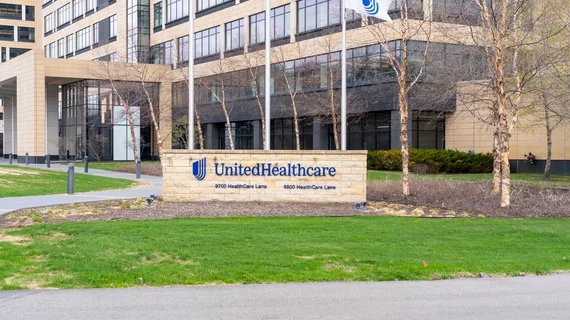
A group of UnitedHealth Group shareholders filed a formal proposal to permanently change corporate governance such that the CEO and chair of the board cannot be the same person. As it stands, they are.
Stephen Hemsley, the current CEO, has also served as head of the company’s board of directors since 2017. He took on the dual role when Andrew Witty abruptly stepped down as CEO in May.
The request to split Hemsley’s position in two comes from the Accountability Board, a nonprofit investment firm that aims to improve “transparency and stewardship around critical social and environmental issues” at the more than 200 corporations in its portfolio. The group uses “active engagement” to achieve its goals, which include petitioning for policy shifts.
The current structure of UnitedHealth, the group argued in its motion, eliminates necessary checks and balances by “consolidating power” into the hands of Hemsley. It added that, with the independent power of the board reduced, the company is less accountable to shareholders.
"Now, a single person holds both roles—which is as far as it gets from the independent oversight shareholders so critically need," the nonprofit wrote.
In speaking to Reuters, the Accountability Board declined to say how much UnitedHealth stock it owns. However, it told the news service it held at least $25,000 in shares over the past year.
As for its proposal to shake up power, its potential success is unknown. Ultimately, the company’s board of directors and shareholders will make the final decision.
A tumultuous time
The company had a rough 2024. Fallout from a February ransomware attack on Change Healthcare, a subsidiary of UnitedHealth, has spilled over into 2025. The company is still facing lawsuits over the breach, blamed on a single server that lacked multifactor authentication.
In December 2024, Brian Thompson, the CEO of UnitedHealthcare—the insurance arm of UnitedHealth Group—was shot and killed in New York City while walking to an investor conference. That incident, a group of investors said, prompted the company to shift away from its history of anticonsumer business practices that had contributed to profits.
Those shareholders, who filed their own lawsuit, contend that the company under Witty was not transparent about its inflated claims denial rates, which was a boon for the stock price.
Currently, UnitedHealth stock sits at $363.66 per share, down almost 28% year-to-date.

Chad is an award-winning writer and editor with over 15 years of experience working in media. He has a decade-long professional background in healthcare, working as a writer and in public relations.