
Three scientists share Nobel Prize in Medicine for discovering how the immune system is regulated
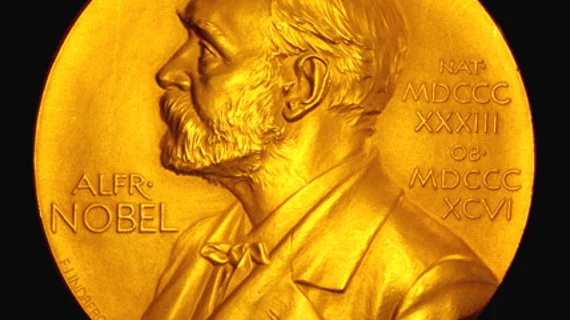
The Nobel Prize for Medicine was given on Friday to three scientists, two Americans and one Japanese, for their work in expanding knowledge about the workings of the human immune system.
Molecular biologist Mary E. Brunkow, PhD; immunologist Fred Ramsdell, PhD; and medical researcher Shimon Sakaguchi, PhD, MD will split the prize for 2025, for their collective work in discovering mechanisms in the body that prevent the immune system from attacking healthy tissue.
The research not only improved the way scientists fight disease, but also has led to new and better treatments for autoimmune conditions, characterized by the body attacking itself.
In a press release, the Nobel Assembly at Karolinska Institute said the trio “launched the field of peripheral tolerance” and their work has already led to the “development of medical treatments for cancer and autoimmune diseases.”
“They discovered how the immune system is kept in check,” the organization added.
A lifetime of work
T cells are how the body spots foreign invaders and triggers the immune system to launch a defense. However, sometimes they malfunction either by not identifying dangerous cells, such as cancer, or by misidentifying health tissue as a disease in need of elimination.
This has been one of the biggest mysteries in medical science, but because of an observation made by Sakaguchi, a professor at Osaka University in Japan, made in 1995, a previously unknown class of immune cells was discovered, believed to regulate the larger immune system.
In 2001, Brunkow and Ramsdell built upon this discovery when they were able to identify a genetic mutation that caused a severe autoimmune disease, known as immunodysregulation polyendocrinopathy enteropathy X-linked (IPEX) syndrome, characterized by frequent infections and organ failure.
The findings, related to a mutation in the gene now called Foxp3, were then the basis for 2003 research by Sakaguchi, who confirmed that it was responsible for governing part of the immune system more broadly—specifically, the cells he discovered previously. Foxp3, he learned, was responsible for triggering their creation.
“Their discoveries have been decisive for our understanding of how the immune system functions and why we do not all develop serious autoimmune diseases,” Olle Kämpe, chair of the Nobel Committee, said in the statement.
Since their research began, others have built upon their discoveries—a trend that continues to this day, earning them the Nobel Prize.
All three are still active in their field and continue to build on their body of work. According to the Nobel Assembly, their discovery of peripheral tolerance is the basis for new organ transplant procedures, some of which are currently undergoing clinical trials.
Along with the prestige, they also will be given a roughly $1.2 million cash prize, to be split evenly among them.
The award for medicine was announced last Friday.

Chad is an award-winning writer and editor with over 15 years of experience working in media. He has a decade-long professional background in healthcare, working as a writer and in public relations.