
The FDA has cleared more than 1,200 clinical AIs—and submissions are increasing
The U.S. Food and Drug Administration (FDA) has now cleared 1,247 clinical artificial intelligence (AI) algorithms for direct patient care. The FDA updated its AI-enabled device approval list this week, which showed the regulatory agency is seeing rapidly increasing numbers of AI product submissions.
More than 1,000 of these are specific to medical imaging, with radiology accounting for the majority—over 900 cleared algorithms. Cardiology has the second-highest number, with 116 (or a total of 184 if including cardiac-specific imaging AI listed under radiology). Neurology ranks a distant third with 56 algorithms, many of which are image-based and used for detailed diagnostic assessment or procedural planning.
FDA cleared AI by specialty as of May 30, 2025:
• Radiology 956
• Cardiology 116
• Neurology 56
• Anesthesiology 22
• Hematology 19
• Gastroenterology and urology 17
• Ophthalmic 10
• Clinical chemistry 9
• Pathology 6
• General and plastic surgery 6
• Microbiology 6
• Dental 6
• Orthopedic 5
• Clinical Toxicology 5
• General Hospital 4
• OB/GYN 3
• Ear, nose and throat 2
• Physical Medicine 1
• Immunotherapy 1
Number of new AI approvals is increasing
In the past year, there has been a record number of new medical AI submissions, resulting in 300 new clinical clearances. The number of submissions has been steadily rising over the past decade.
The last FDA update in September 2024 showed an average of about 21 approvals per month. Since last fall, that has increased to about 30 per month. In May 2025 alone, 39 new algorithms gained FDA clearance—the highest number ever.
In 2022, the average number of approvals per month was about 13.5, and in 2019 it was just 7. The numbers show the rapid growth of AI over the past few years. The first clinical AI algorithms cleared by the FDA were in 1995, and only 10 had been cleared in the following decade.
AI adoption in healthcare is growing
Adoption in hospitals and private practices has also been rising, partly due to the workflow efficiencies and automation offered by AI to help reduce time-consuming tasks. Some AI can also help detect or confirm disease, acting as a second set of eyes for clinicians, or help guide next steps in care. AI is also now baked into most new imaging systems on the market to help improve image quality, lower radiation dose, reduce scan times, aid patient positioning and assist with protocol selection. It is also becoming standard on image post-processing systems.
AI is very good at identifying complex patterns to detect disease after being trained to look for certain traits in millions of imaging studies. This is one reason why its application in medical imaging has been at the forefront of FDA AI approvals. There are large numbers of algorithms to detect brain, lung, skeletal, heart, liver, orthopedic and pediatric abnormalities.
A handful of these imaging AI algorithms have also made it into clinical guideline recommendations, including for immediate, automated CT stroke team alerts as patients are scanned and for CT coronary blood flow assessments in chest pain using fractional flow reserve (CT-FFR).
In cardiology, AI is being used to analyze electrical signals in the heart to better detect cardiac arrhythmias, monitor patients remotely in real time, help plan procedures—and better detect less common diseases such as congenital heart abnormalities, cardiac amyloidosis, and hypertrophic cardiomyopathy (HCM). AI is also being used to automatically assess coronary artery soft plaques in CT scans, which many in cardiology say will likely play a major role in the near future for cardiovascular prevention and screening.
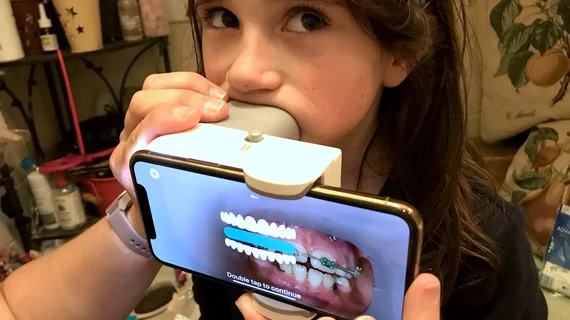
While the number of approvals is low for pathology and dental, AI in these two areas has had a practice-changing impact. AI helps review, report, and automate digital pathology to greatly speed workflow. In dental offices, the use of 3D scanning to create digital files of a patient’s teeth is used either for detailed review in the records or to create 3D-printed models. This is replacing the former standard of care of making dental impressions and casts of the teeth.

Dave Fornell has covered healthcare for more than 17 years, with a focus in cardiology and radiology. Fornell is a 5-time winner of a Jesse H. Neal Award, the most prestigious editorial honors in the field of specialized journalism. The wins included best technical content, best use of social media and best COVID-19 coverage. Fornell was also a three-time Neal finalist for best range of work by a single author. He produces more than 100 editorial videos each year, most of them interviews with key opinion leaders in medicine. He also writes technical articles, covers key trends, conducts video hospital site visits, and is very involved with social media. E-mail: [email protected]