HE homepage

Political unrest isn’t taking much of a toll on deals in healthcare, with executives still bullish on the sector, according to new data from Merrill Corp.

microphone

Physicians considering new technology for their practices tend to ask one or more of four questions before moving ahead: Does it actually work? Will I get paid for it? What are the liability issues? And will it work in my practice environment?

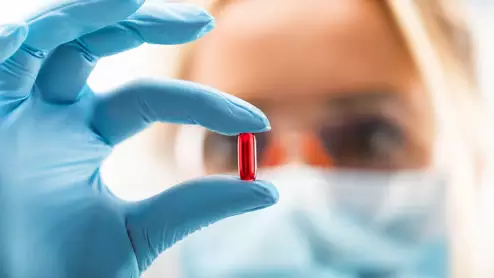
The World Health Organization (WHO) has officially endorsed the use of polypills—fixed combinations of multiple medicines contained in a single pill—for the prevention of cardiovascular disease, adding them to the latest edition of the WHO Model List of Essential Medicines.

A Google-affiliated company is taking on clinical trials with the pharmaceutical industry, CNBC reported. The health and life sciences business of Google’s parent company Alphabet has launched strategic alliances with Novartis, Sanofi, Otsuka and Pfizer to work in the medical studies space.

business-2178566_960_720.jpg

AI is becoming more accessible to researchers of any age after The Penn Medicine Institute for Biomedical Informatics launched a free, open-source automated machine learning system for anyone to use, Penn AI.

Together, private health insurance, Medicare and Medicaid accounted for 82% of total prescription drug spending in the U.S. in 2017, according to a recent analysis from the Kaiser Family Foundation that broke down drug spending that year.

Consumer goods giant Nestlé is in talks to sell its skin health business to private equity firm EQT and the Abu Dhabi Investment Authority for $10.1 billion, The Wall Street Journal reported.

Around the web

This is the second FDA clearance in two weeks for Massachusetts-based Anumana. The company's AI models are built to evaluate ECG results for signs of various cardiovascular conditions.