HE homepage

The rapid rise of AI could potentially change healthcare forever, leading to faster diagnoses and allowing providers to spend more time communicating directly with patients. According to a new report from the Brookings Institution, however, there are also risks associated with AI in healthcare that must be addressed.


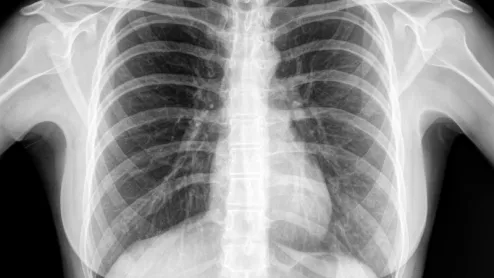
Just two days before Google was set to release an expansive set of human chest X-ray images, the National Institutes of Health (NIH) called the tech giant to call it off over privacy concerns, the Washington Post reported. Personal information about the patients in the images were still contained in some of the files and could be used to identify patients, NIH told Google.

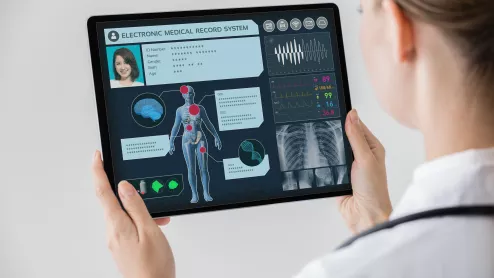
Electronic health records received an 'F' rating from Yale researchers who analyzed and rated the technologies on quality and efficiency.

Google was hoping to release a massive dataset of chest x-rays to the public in 2017, but had to cancel at the last minute after receiving an urgent call from the National Institutes of Health (NIH).   

CMS has finalized a rule that will force hospitals to publish a public list of their standard charges for items and services they provide. The rule was originally proposed to take effect in 2020, but the finalized version won’t require the changes until 2021.

microscope

Researchers working for the U.S. government have used deep learning to evaluate stem cell-derived tissue samples, sharing their findings in the Journal of Clinical Investigation.

Around the web

When it came to all-cause mortality and ischemic stroke, however, the two popular DOACs were associated with comparable outcomes.