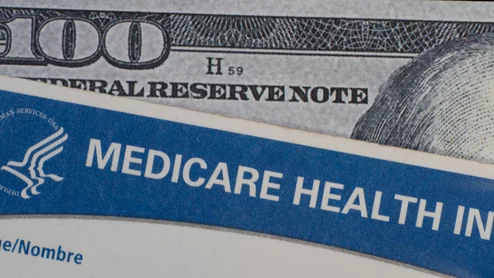
In total, 131 hospitals are acting as plaintiffs. They’re asking a court to throw out 2023 changes to the Disproportionate Share Hospital calculation that altered the way Medicare Advantage and Social Security income were factored into the risk-adjusted payments hospitals receive for caring for vulnerable patient populations.
The cloud infrastructure company said in a recent investor meeting that its heavy spending on AI has been complicated by the global GPU and CPU shortage. Some 10,000 workers have reportedly been laid off, but the true number is unknown.
When applying AI to help answer clinical questions, developers, researchers and clinicians should all remain mindful of the difference between interpretability and explainability.
“Artificial intelligence in precision medical imaging and diagnostics” is among several areas of concentration for which the University of Wisconsin-Madison will be making cluster hires over a period of at least two years.
The research and advisory firm says these are the areas likely to yield the biggest bang for the AI buck when it comes to making better decisions on how to deal with the pandemic.
ACC 2026 Chair Kathryn Berlacher, MD, MS, FACC, explains some of the big trend at this year's meeting, including AI, CCTA, hands-on and guideline sessions.