HE homepage

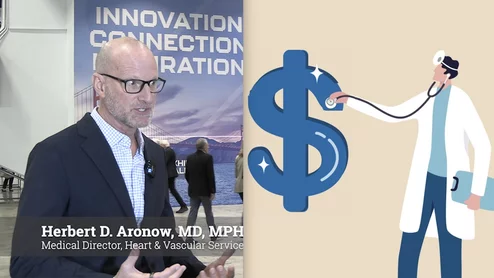
Herbert D. Aronow, MD, MPH, FACC, FSCAI, FSVM, medical director, heart and vascular service line and the Benson Ford Chair in Cardiology at Henry Ford Health, board member of the Society for Cardiovascular Angiography and Interventions (SCAI), explains the pros and cons and economic pressures involved with shifts in how cardiologists are now employment.

Cardiology has largely shifted to hospital-employed models, driven by reimbursement compression and evolving physician priorities. This has created challenges as well as opportunities.

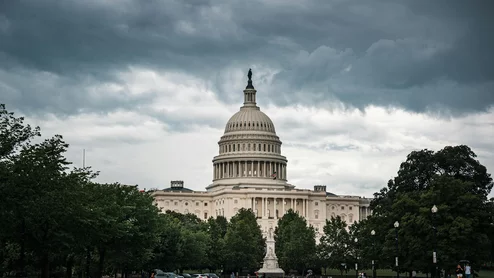
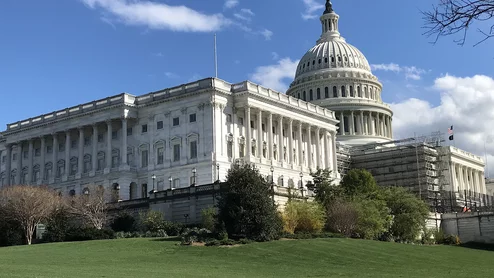
Clouds over Congress

Democrats want to keep Obamacare going. Republicans want to replace it, ideally with health savings accounts. Regardless of which approach holds sway this week—or whenever—either one would be woefully shortsighted. 

A Hail Mary attempt by a bipartisan group to extend Affordable Care Act tax credits failed. The new bill contains some reforms, including new reporting requirements for PBMs and support for association health plans. It now faces the Senate. 

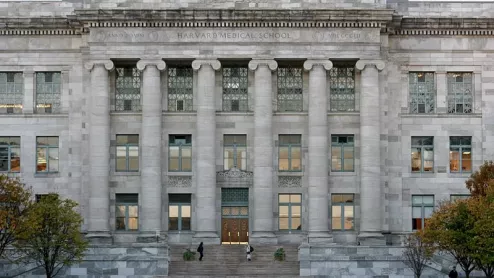
Harvard Medical School

Cedric Lodge, 58, pleaded guilty in May for his role in procuring human organs and tissue for sale on an interstate black market. His wife, Denise Lodge, was sentenced to one year for collaborating. The couple sold organs out of their home in New Hampshire, prosecutors said. 

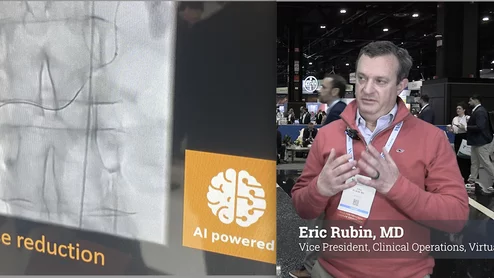
Eric Rubin, MD, vice president of clinical operations at Virtua Health, and the American College of Radiology's CPT advisor to the American Medical Association (AMA), explains the process for creating a Category I CPT code for payments and the difference with Category III temporary tracking codes.

As of January 2026, there will only be two CPT category 1 payment codes for newer AI, despite there being hundreds of FDA-cleared medical imaging algorithms.

Stock image of an illegal bribe.

A new report from the New York Times reveals a system of de facto quid pro quo where wealthy patients from oil-rich nations are sometimes moved to the top of organ transplant lists.

Around the web

The second day of the American College of Cardiology’s annual conference started with a series of highly anticipated interventional cardiology trials.