The cardiovascular care of thousands of Missouri patients is suddenly up in the air. The heart of the issue is a practice's alleged interest in opening up a new private equity-backed clinic.
On Tuesday, a judge formally rejected a motion by the company to have the case dismissed. Carelon Behavioral Health, a subsidiary of Elevance, is accused of publishing an inaccurate directory of providers for those seeking mental health services.
Only 51% of consumers feel optimistic or safe when it comes to AI infiltrating the healthcare space in the form of helping providers in diagnostic decision making and care management, according to a recent survey from Blumberg Capital.
Machine learning can accurately predict which patients will not live beyond 30 days after discharge from the ER, giving these patients time to discuss end-of-life care with family members and hospice professionals.
When Sarah Kliff, healthcare reporter for Vox, saw an emergency department bill charging more than $600 for an encounter that ended with a band-aid, she and the media company undertook a year-long project to explore as many ED bills as possible.
Enrollment of people who are ineligible for subsidies on the individual healthcare market appears to be slowing down, according to a recent report from CMS.
If IBM’s Watson goes down as an early failure of AI in healthcare, the fumble may be recorded as an unforced error made by humans who were determined to position the company as the first serious player on the field.
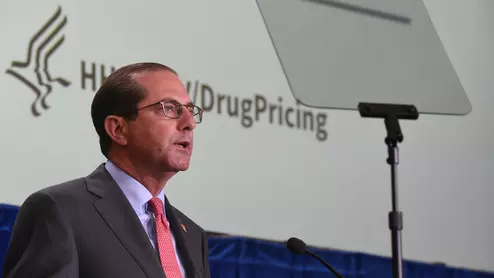
Less than a year after coming aboard HHS as senior advisor to the agency’s secretary Alex Azar, for drug pricing reform, John O’Brien is stepping down from his position.