HE homepage

Cigna, one of the nation’s largest health insurance providers, announced new priorities for its capital deployment, including steering an additional $450 million into Cigna Ventures.

Dubbed “Clearity,” the new health plans will have four tiers to choose from, allowing patients to select the provider and services that are right for them. The insurance is similar to a concierge care model, but backed by a potentially larger network.

"These provisions are contained in what amounts, in many cases, to contracts of adhesion, because a physician’s only choice is to accept the terms of the contract without revision or else forgo employment," the Society for Cardiovascular Angiography and Interventions wrote to the U.S. Federal Trade Commission.


Trump and Robert F. Kennedy Jr., secretary of health and human services (HHS). White House press photo

The source told Reuters an announcement is coming but provided no specifics. Meanwhile, Republican senators have begun drafting legislation to distribute payments directly to Americans for the purpose of buying insurance—an idea Trump floated in a social media post.

medical billing_1.jpg

While the law sunsets in 2028, ACA International and the debt collector Creditors Bureau USA are not waiting. They filed a lawsuit in federal court arguing that Colorado is illegally restricting free speech, in violation of the First Amendment. 

UnitedHealthcare

Krista Nelson made the official announcement on LinkedIn. She replaces Patrick Conway, MD, CEO of the broader Optum, who had held dual roles. Nelson has been with UnitedHealthcare since 2017.

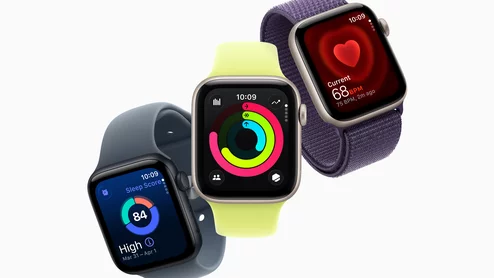
Apple has officially introduced the Apple Watch Ultra 3, which will provide notifications when it detects signs of chronic high blood pressure once the technology is cleared by the U.S. Food and Drug Administration (FDA).

Masimo’s complaint over the new version of the Apple Watch could lead to an import ban if it is found that the technology infringes on its patents.

Around the web

A new embolic protection device from Emboline was noninferior to the FDA-approved Sentinel device in terms of safety and efficacy. In addition, it captured much more TAVR-generated debris and was linked to an improved technical success rate.