HE homepage

Waiting room

Getting to and waiting for a doctor’s appointment will likely take longer than getting a car repair, according to a recent analysis of travel and wait times among professional services by Altarum. All that waiting and traveling adds up to a significant burden in the U.S.–– an average of $89 billion annually in economic costs from 2006 to 2017.

The total number of urgent care centers in the country grew from 8,125 in November 2017 to 8,744 in the same month in 2018—a total growth rate of 8 percent, according to the Urgent Care Association’s 2018 Benchmarking Report. These statistics underscore the changing healthcare preferences among a diversified patient population. 

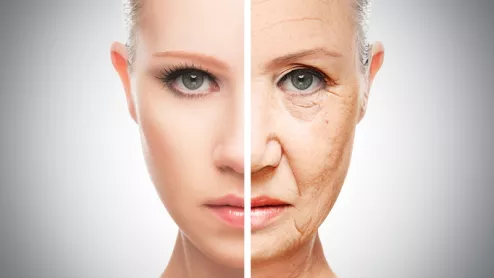
A new AI-powered diagnostic tool launched by global cosmetic company L’Oreal allows women to upload a selfie to detect if their skin is beginning to show signs of aging and obtain treatment advice.

Physician burnout is getting better, according to a new triennial study published in Mayo Clinic Proceedings. In fact, doctors were less likely to indicate emotional exhaustion and depersonalization in a survey in 2017 compared to 2014, and burnout prevalence is closer to 2011 levels.

Artificial intelligence (AI) has been one of the biggest stories in healthcare for years, but many clinicians still remain unsure about how, exactly, they should be using AI to help their patients. A new analysis in European Heart Journal explored that exact issue, providing cardiology professionals with a step-by-step breakdown of how to get the most out of this potentially game-changing technology.

Physician burnout is undoubtedly a serious issue in the medical profession—and it often stems from physicians’ EHR use, which, by some estimates, accounts for up to six hours of their daily work load. That's six hours is not dedicated to visiting with patients, a new article in Forbes suggests.

More than 300 companies, universities and organizations are investing more than $260 million to support 16 new centers for doctoral training in AI in the United Kingdom.

Around the web

The filler contains hydroxylapatite microspheres, which may be visible on medical imaging.