Some 26 attorneys general have signed onto an initiative urging Congress to federally regulate the AI industry “immediately.” One of the voices countering the call is coming from inside the Big Tech arena.
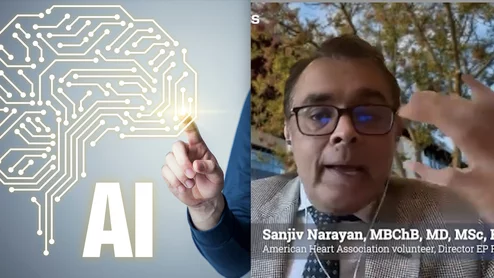
AI-based tools are here to stay, but one expert does not see them replacing cardiologists anytime soon. Look at recent trends in radiology, he says, to get a better idea of what cardiology's future may look like.
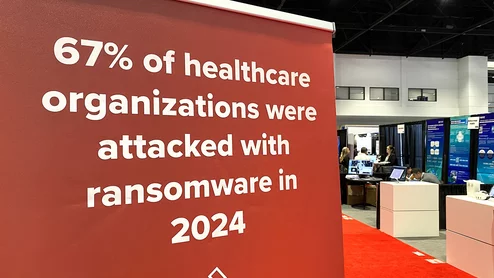
The group ShinyHunters has claimed credit for the attack, threatening to leak the data trove if McKesson doesn’t pay $55 million. It claims to have highly sensitive records on patients, including autopsy details.
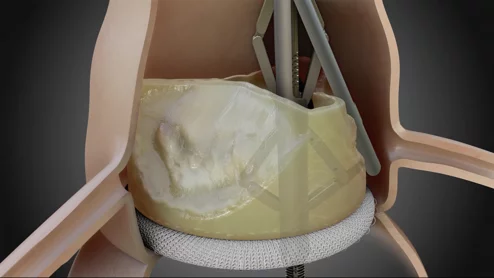
Less than a year after investing heavily in Minnesota-based Anteris Technologies, Medtronic has announced a new strategic investment in Pi-Cardia. The TAVR technology at the heart of this investment is Pi-Cardia's FDA-approved ShortCut device.
The general public is smiling at local healthcare providers while snarling at federal healthcare agencies, according to a survey report posted Aug. 31 by Annenberg Public Policy Center at the University of Pennsylvania.
A former senior director at Optum has been found guilty for his role in a scam by which a friend received a six-figure salary despite doing no work. The verdict included a conviction for money laundering as well as fraud.
Unsurprising but noteworthy: Judging by the ages of doctors who are all in with AI in 2026—and the ages of those who aren’t—the technology remains more a thing of the future than of the present.
Sen. Nikil Saval, representing the commonwealth’s first district in Philadelphia, circulated a letter to colleagues last week announcing his plan to introduce legislation to bring universal healthcare coverage to every resident of the state.